Fujifilm GF 1.4x Teleconverter: worth it for landscape photography?
Is Fujifilm's $999 GF 1.4x teleconverter worth it for landscape photography, or can you just crop a 102 megapixel file instead? Here's my take after using it in the field with the GF 100-200mm.

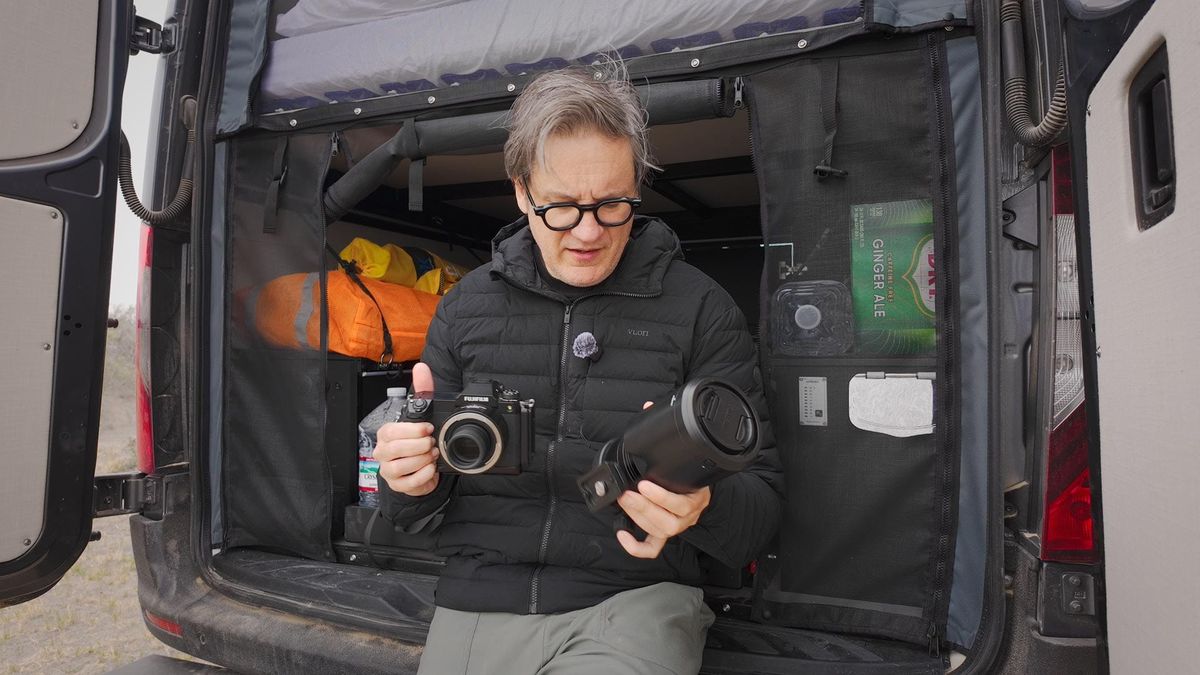
Fujifilm's GF 1.4x TC WR teleconverter is designed for select Fujifilm GF telephoto lenses. It magnifies the central portion of the lens's image projection onto the camera's digital medium format sensor by 1.4x (40 percent), which narrows the field of view and effectively extends the focal length of any compatible GF lens (GF 250mm, GF 500mm, GF 100-200mm).
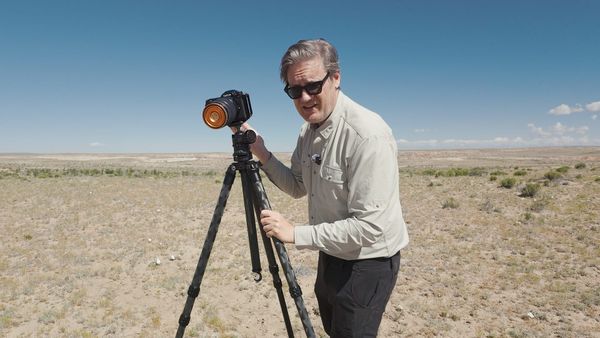
I'm primarily a landscape photographer, shooting telephotos using the GF 100-200mm. In this review, I'll share my thoughts about the 1.4x, and whether I think other photographers would benefit from owning one as well.
Build quality and first impressions
Out of the box, the 1.4x looks and feels exactly like a GF lens. Same premium glass, metal, and hard plastics. Same weather sealing on both mounts, which extends the moisture and dust protection of whichever GF lens you use with it. It locks onto the camera body and lens tightly, with no play or wobble.
At 400g (14.1 oz) it's heavier than you might expect for something this compact. For reference, that's about 40 percent the weight of the GF 100-200mm. If you're a landscape photographer like me carrying a heavy backpack into the field, that's not nothing.
How it works
With the 1.4x attached to the GF 100-200mm, for example, the zoom range becomes 140-280mm. The teleconverter doesn't change the physical focal length of the lens, and it doesn't alter perspective or depth of field characteristics. It's purely a field of view change. You do lose one stop of light, so f/5.6 becomes f/8, f/11 becomes f/16, and so on, but Fujifilm displays the effective aperture in the viewfinder and on screen, so there's no guesswork.
Electronic communication is fully maintained. Autofocus, exposure metering, OIS, and EXIF data all pass through without issue. In practice, shooting with the 1.4x attached feels completely normal. Honestly, I sometimes forget it's there.
The cropping alternative
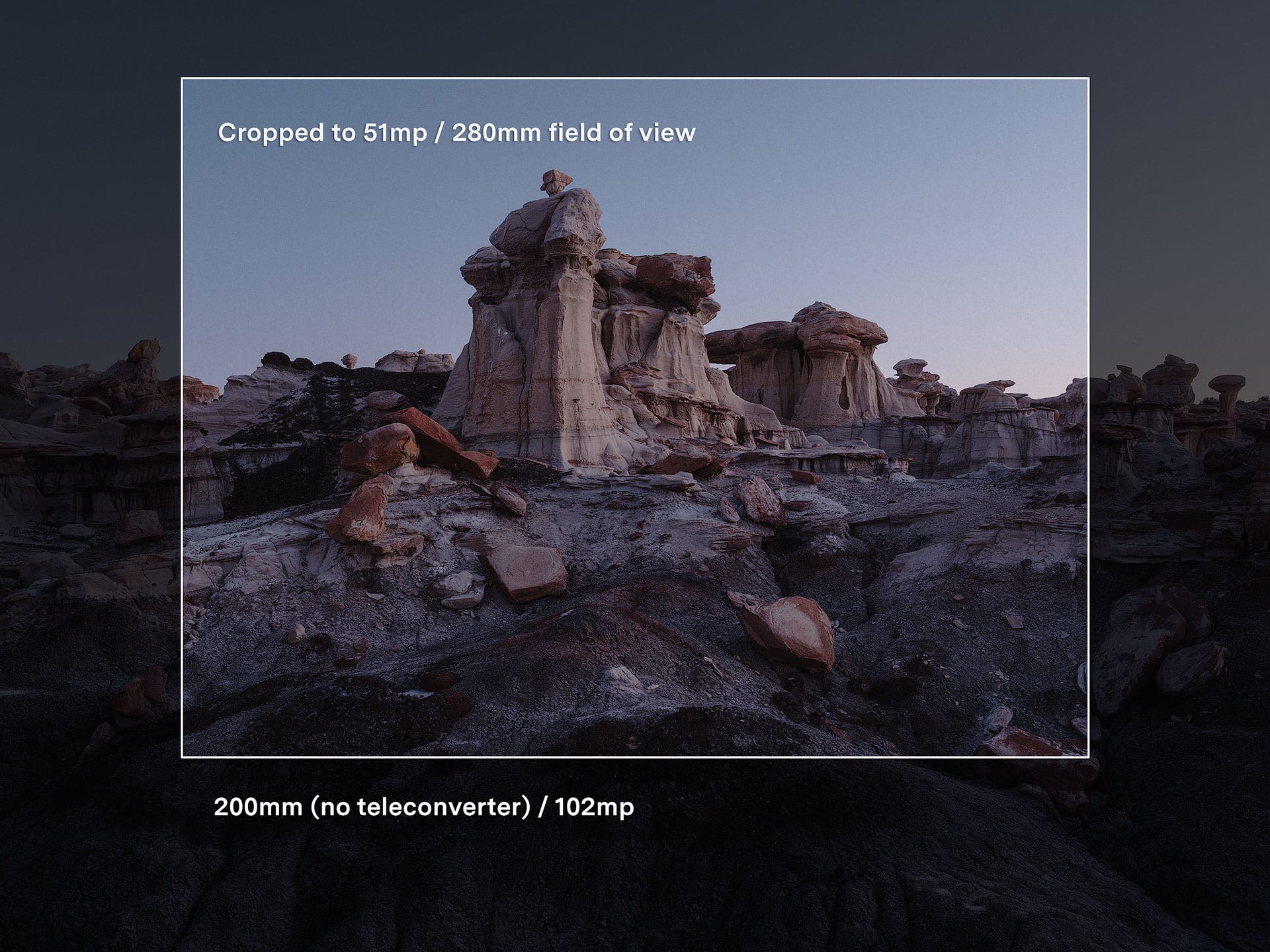
Cropping and resolution are important considerations with the 1.4x. On the GFX 100 series, you can often replicate the 1.4x's reach simply by cropping. A 1.4x crop of a 102 megapixel image leaves you with roughly 51 megapixels, which is more resolution than most photographers really need. On the GFX 50 series, the same crop yields about 26 megapixels, which is still perfectly usable.
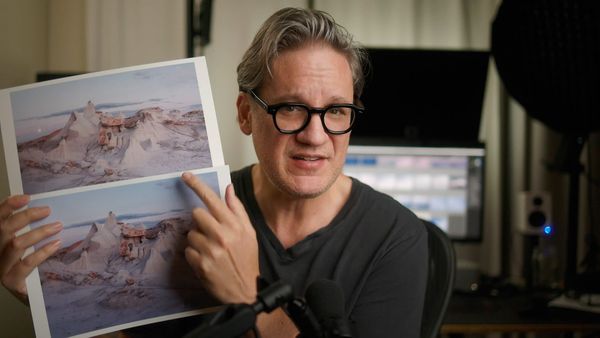
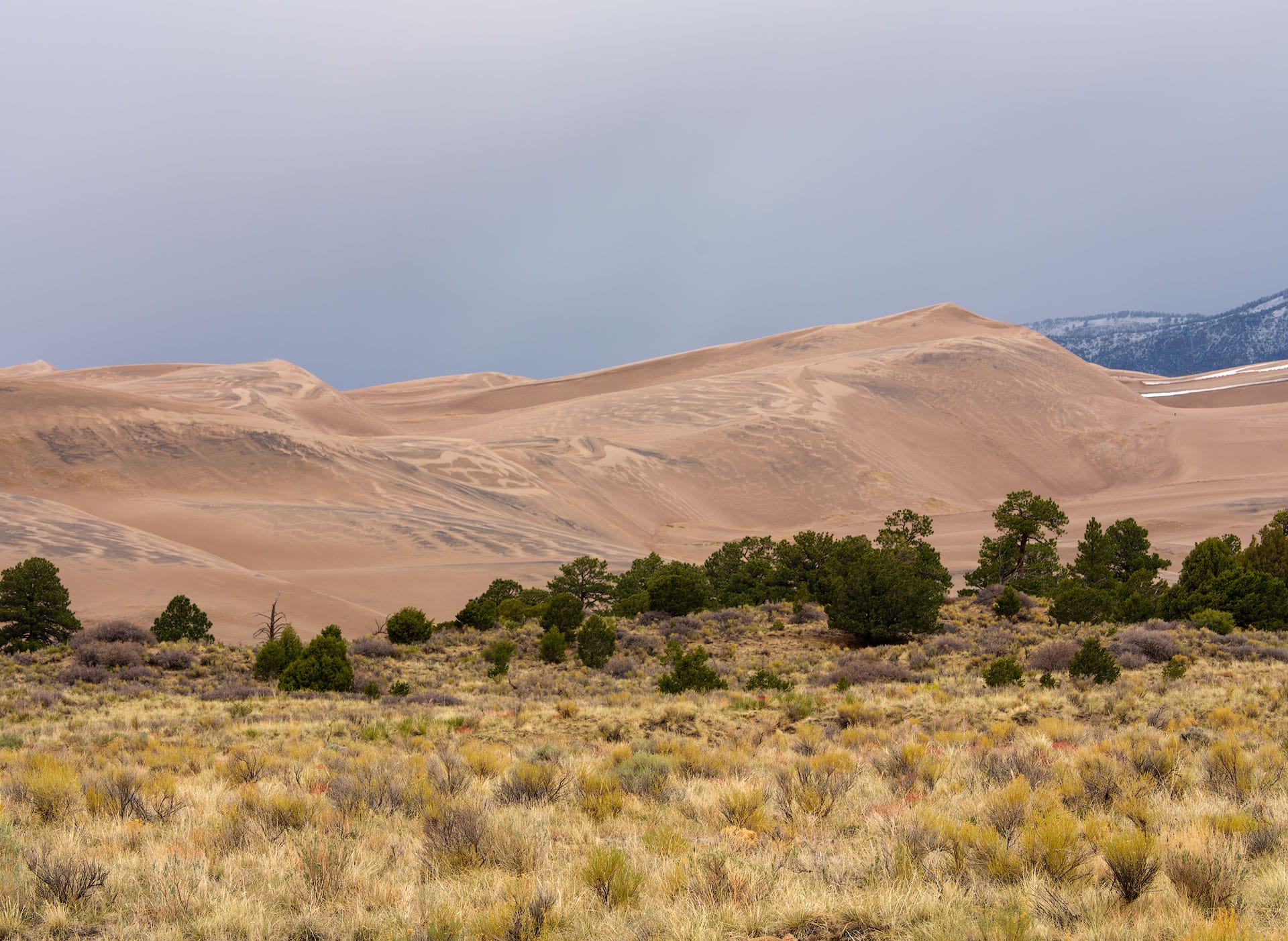
For example, here's a 102 megapixel image captured at 200mm without the 1.4x, cropped to emulate the same effective field of view of 280mm. The result is a 51 megapixel file.
So what does the 1.4x actually give you that cropping doesn't? Resolution. With the teleconverter on a GFX 100 series body, you get the full 102 megapixel file at the longer focal length. If you then cropped that image by another 1.4x, you'd end up with a 51 megapixel file with a field of view of roughly 390mm (!). When you think about it, that's really powerful. It obviously won't match the micro-contrast and detail of a native telephoto at that focal length, but for distant landscapes it should hold up reasonably well.
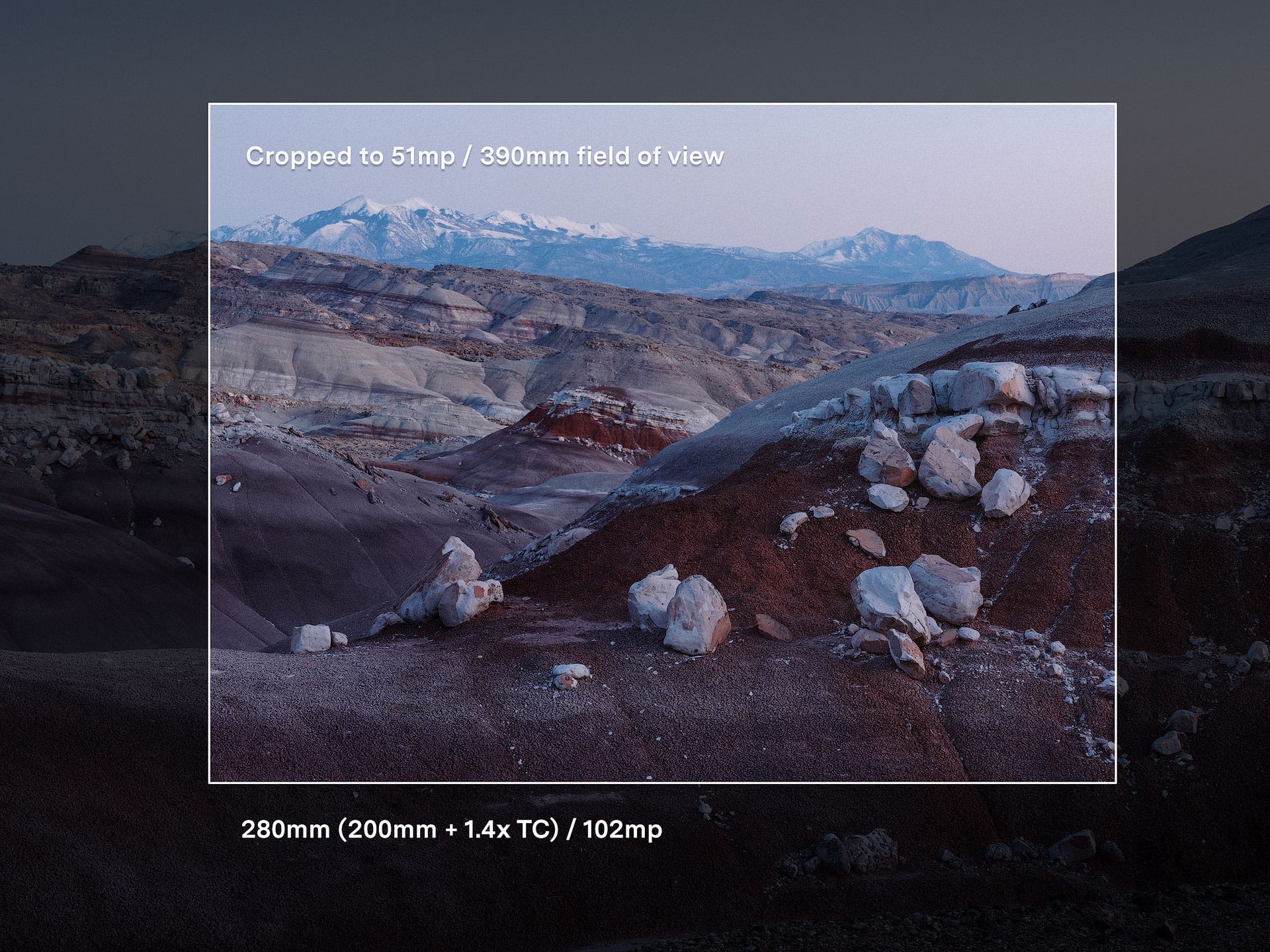
Image quality
Like all teleconverters, you can expect some degradation in image quality with the GF 1.4x, especially around the corners and edges where lenses typically struggle. This is because the teleconverter is projecting an upscaled image onto the sensor.
Below are two comparison raw images. The left was captured at 170mm with the GF 100-200mm and no teleconverter. The right was captured at 120mm with the teleconverter attached, since 120 x 1.4 lands close to 170mm.
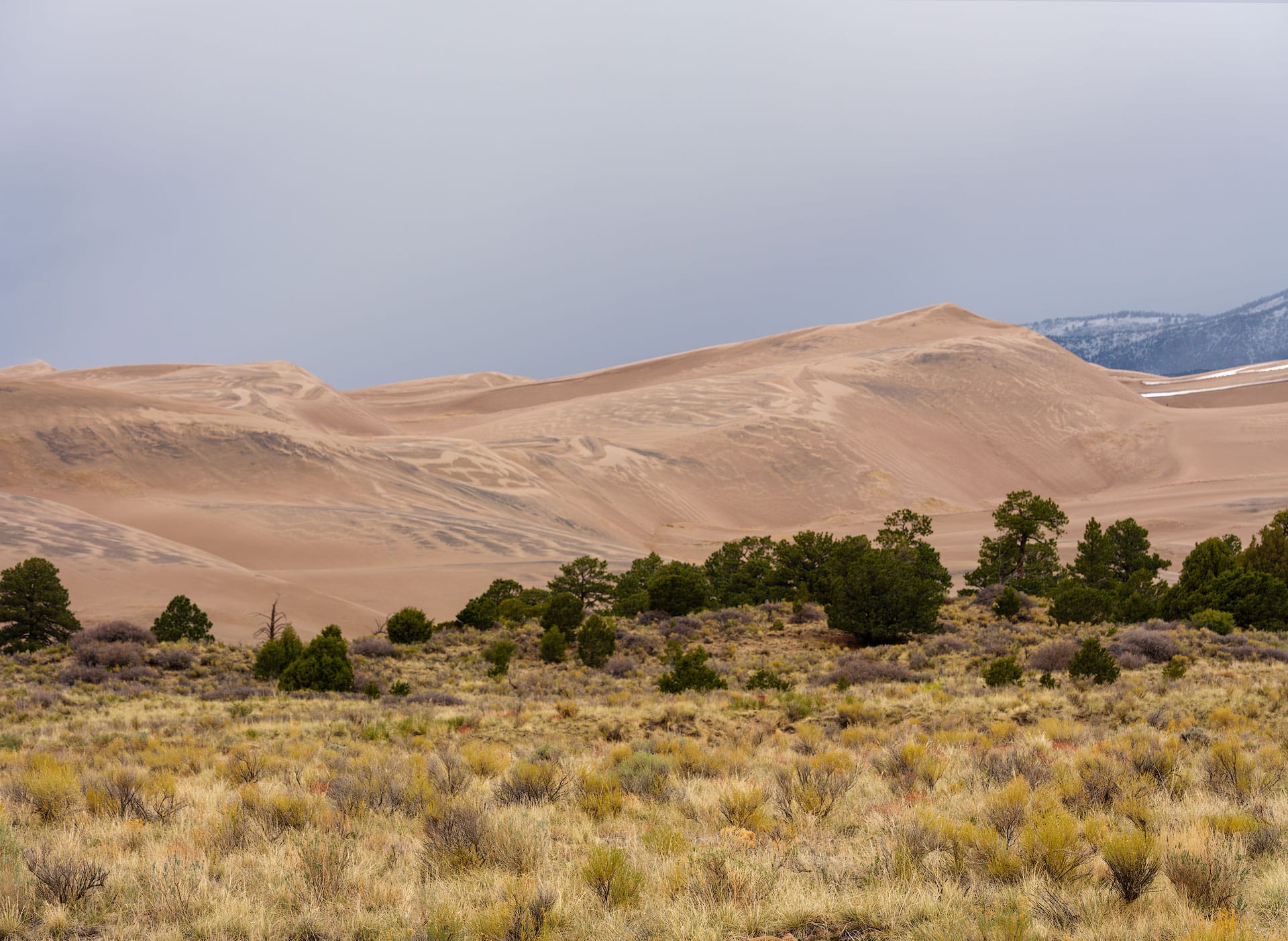
The light changed a little while swapping the teleconverter (I tried my best), but detail and sharpness are what matter most. When both images are viewed at actual size, there isn't much of a difference. There is, however, a noticeable falloff in sharpness and detail around the corners and edges when zoomed in to the lower-right corner, as shown below.
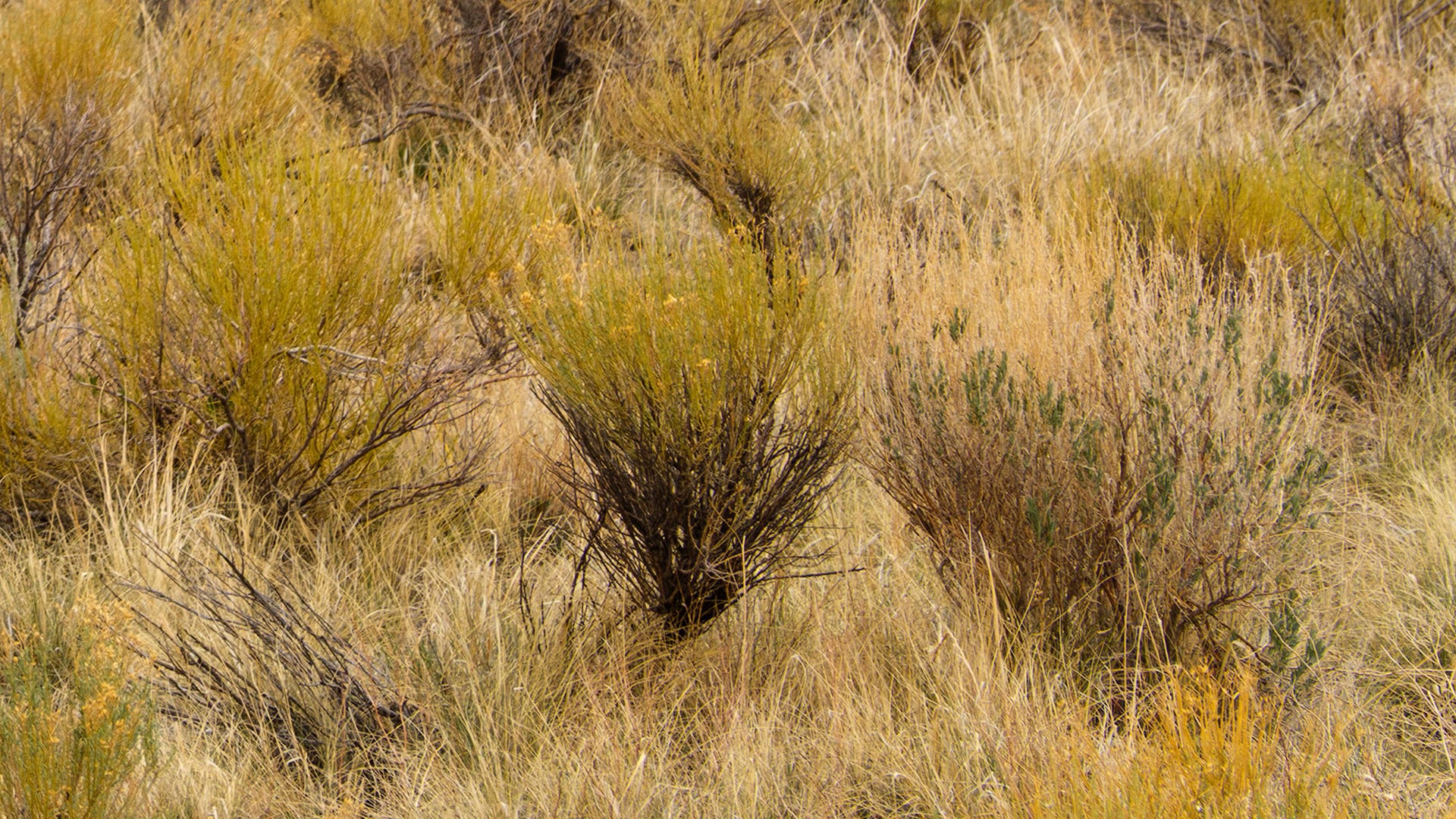
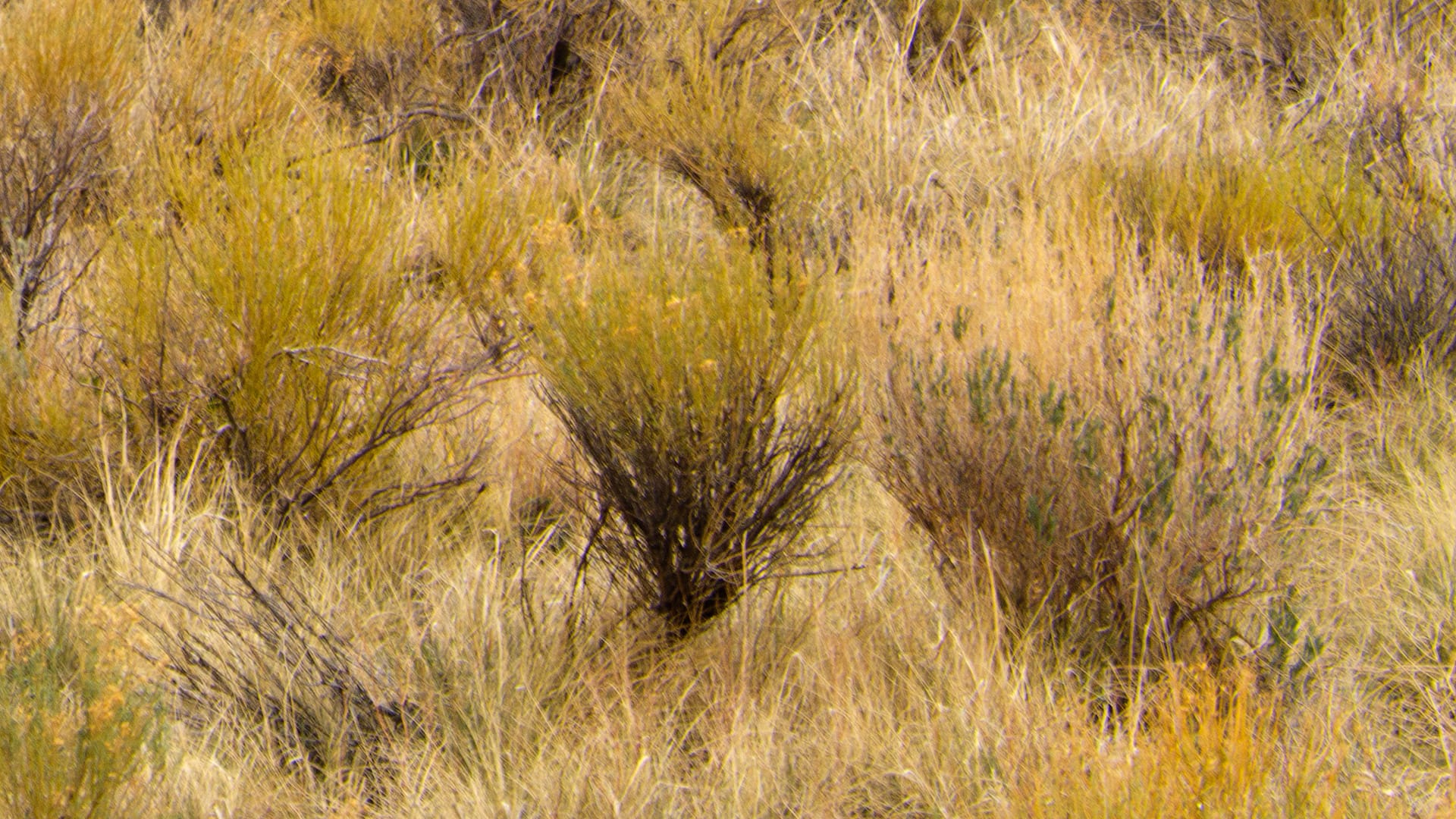
There's some loss of fine detail in the corners with the teleconverter image, but this is perfectly normal behavior. The 1.4x is upscaling a 120mm image projection onto the sensor to simulate 170mm, so some corner softness is expected. It's also a very small area of the frame, only noticeable when pixel-peeping in Photoshop or standing nose-to-print.
Supported GF lenses
The main con of the GF 1.4x is its incompatibility with the majority of Fujifilm GF lenses. As of this writing, with the latest firmware updates, it can only be used with the following:
That's basically it. And if you prefer variable zooms to primes like I do, the GF 100-200mm is basically your only option.
I am especially disappointed that the 1.4x is not compatible with the excellent GF 45-100mm f/4, which has become my favorite GF lens for its image stabilization, sharpness, and versatile focal range. If it were supported, the 45-100mm would extend to roughly 63-140mm, covering nearly half the range of the GF 100-200mm and giving me the option of carrying only one lens in many situations.
Expensive, unfortunately
Another drawback is price. As of this writing, the GF 1.4x sells for $999 in the United States, which is $150 higher than its 2018 launch price of $849. Even at its original MSRP, many photographers felt it was expensive. I was fortunate to find an excellent used copy at MPB for about the same as that original price.
The high cost feels even steeper when compared with third-party teleconverters or even official options from Nikon, Sony, and Canon, many of which offer greater magnification at lower prices. For what it is, the GF 1.4x is costly. But it remains the only teleconverter available to G-mount camera users, so there's no real alternative.
Final thoughts
The GF 1.4x has the same build quality you'd expect from any Fujifilm GF product, and it's clearly designed for photographers who want the highest possible image quality. At $999 and nearly a pound of added weight on top of the already heavy GF 100-200mm, it's not a casual purchase.
How much value you get out of it depends on how often you shoot telephoto. For the sake of my back, I only bring it along when I know I'll be working at longer focal lengths that day and I want full-resolution 102 megapixel files beyond 200mm. GFX 50 series users will probably get the most out of it, since they don't have the cropping flexibility of the 100 series.
Honestly, I'm not sure the 1.4x has been a good investment for me. It's nice when I genuinely need more reach, but that doesn't happen often, and I can usually get perfectly reasonable images by cropping my 102 megapixel files instead. Don't get me wrong, the 1.4x is exceptionally well made, and I'm glad to have it in my kit. But for the average GFX shooter, its appeal will be limited.